Why Your Neck Feels Tight Even After Stretching
- Dr Aimee Mason
- Aug 12
- 4 min read

If your neck always feels tight, stretching can feel like the obvious solution.
You stretch it. It feels better for a little while. Then, later that day or the next morning, the same tight spot is back again.
This can be frustrating, especially when it feels like you are doing the right thing.
But tightness is not always just a flexibility problem.
Sometimes your neck feels tight because the area is tired, overloaded, protective, irritated, or working harder than it needs to. In those cases, stretching may feel good temporarily, but it may not change why the tightness keeps returning.
Stretching can help, but it may not be the whole answer

Stretching is not bad.
For many people, gentle stretching can help reduce tension, improve comfort, and give the body a chance to move differently.
The problem is when stretching becomes the only strategy, especially if the same area keeps tightening back up.
If a muscle is feeling tight because it is overloaded, stretching it may give short-term relief without changing the reason it became overloaded in the first place.
It is a bit like turning down the volume on an alarm without checking why the alarm is going off.
Your neck might be doing too much work
Your neck does not work by itself.
It is connected to your shoulders, upper back, ribs, jaw and breathing patterns. It is also influenced by your desk setup, phone use, sleep position, stress levels, exercise habits and how much movement variety you get through the day.
For example, your neck may feel tight if:

your upper back is stiff and your neck is compensating
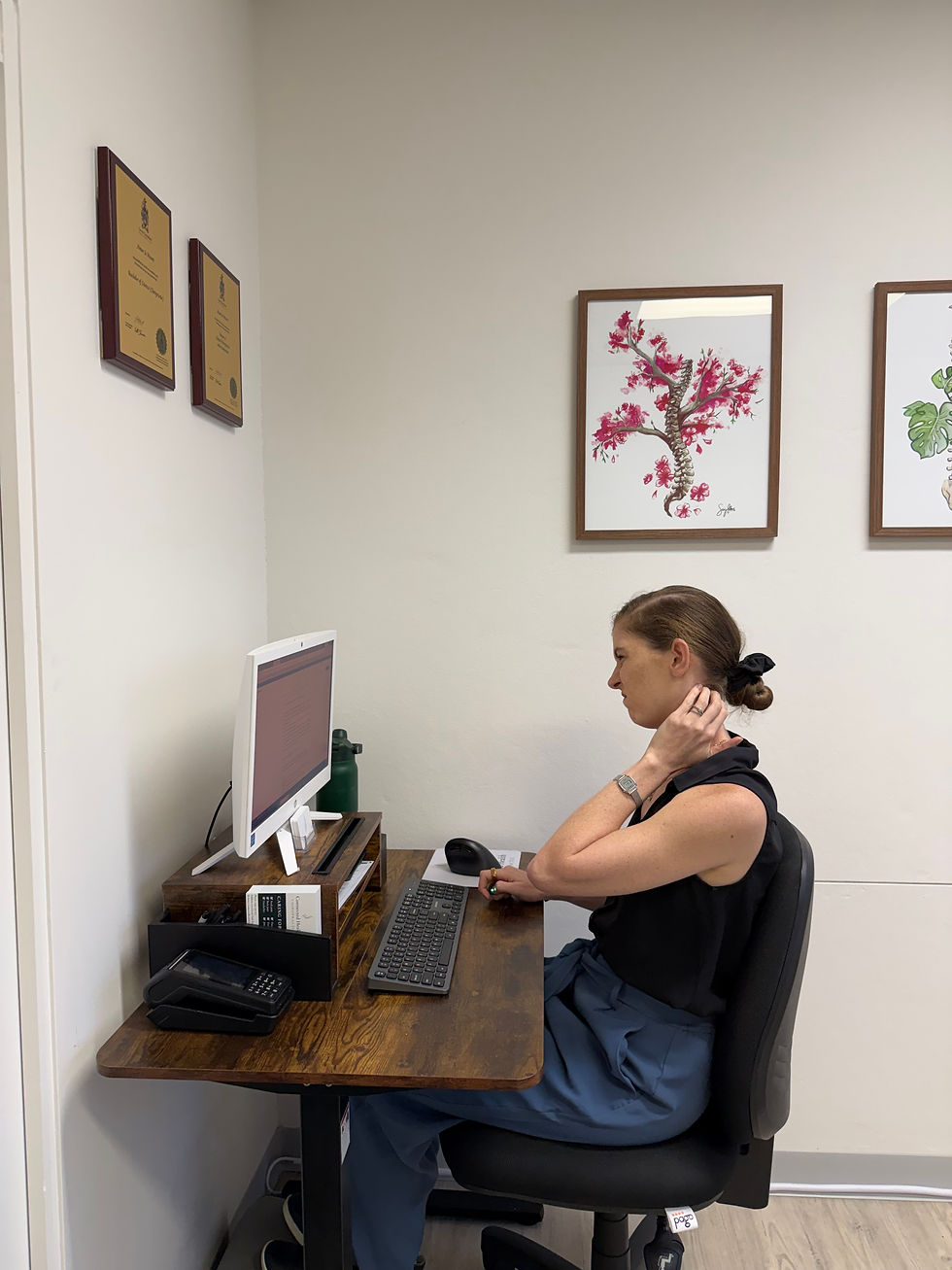
your screen is too low and you spend hours looking slightly down
your shoulders are creeping up when you concentrate
your jaw is clenched without you realising
your breathing is shallow and your neck muscles are helping more than they need to
you are sitting still for long periods
your pillow or sleep position is not supporting you well
stress is increasing the amount of tension your body is holding
This is why the sore spot is not always the whole story.
The same tight spot may keep coming back for a reason
If the same area keeps tightening again and again, it may be worth asking what that area is responding to.

Is it working too hard?
Is it guarding?
Is it compensating for another area that is not moving well?
Is it being irritated by your work setup, sleep position, training load, stress, or daily habits?
This does not mean there is something seriously wrong. It simply means your body may be asking for a different approach.
Instead of only stretching the tight spot, it can be helpful to look at what is contributing to the tension in the first place.
What can you do?
A few small changes may help reduce the load on your neck and shoulders through the day.
You could try:
raising your screen so the top third is at eye level
keeping your keyboard and mouse close to your body
relaxing your shoulders and jaw when you notice tension building
taking short movement breaks instead of waiting until you feel sore
gently moving your upper back, not just your neck
breathing into your belly rather than lifting through your shoulders
changing your phone position so you are not always looking down
checking whether your pillow is supporting your neck comfortably
None of these need to be perfect. The goal is not to micromanage every position.
The goal is to give your body more support and more variety.
When should you get it checked?
It may be worth getting your neck assessed if the tightness keeps returning, is becoming more frequent, is affecting your sleep or work, or is associated with headaches, arm symptoms, numbness, tingling or weakness.
An assessment can help identify what may be contributing to the tightness and whether chiropractic care, another form of care, or further investigation may be appropriate.
How chiropractic care may fit in
At Connected Health Chiropractic, neck tightness is assessed with the bigger picture in mind.
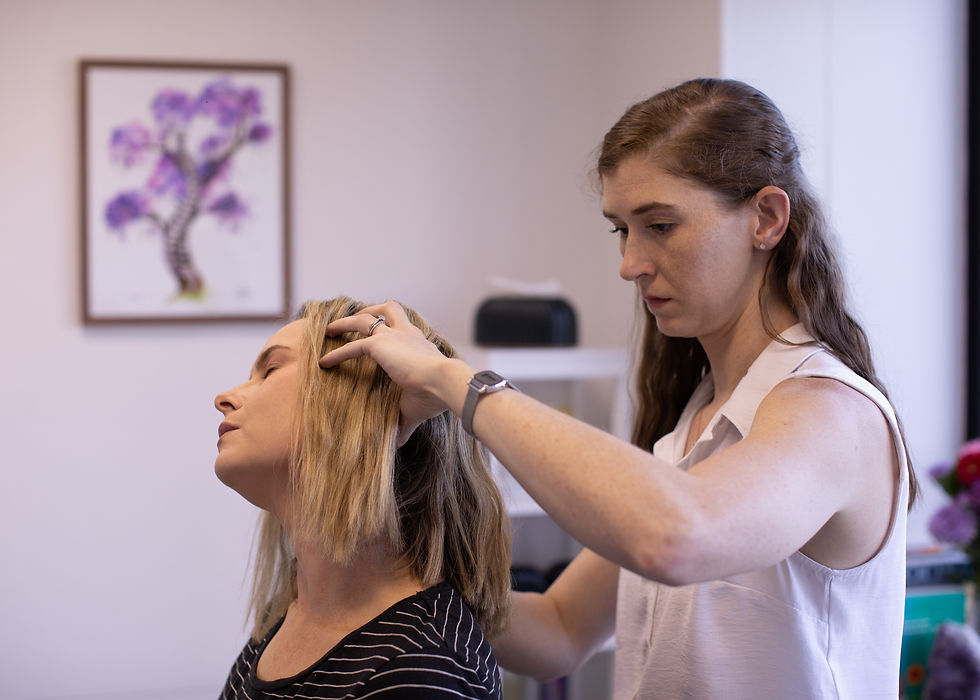
This may include looking at how your neck, upper back, ribs and shoulders are moving, as well as discussing your work habits, stress, sleep, exercise and daily routines.
Care may include hands-on techniques where appropriate, along with practical advice to help reduce unnecessary load through your day. This might include movement guidance, ergonomic suggestions, breathing awareness, or simple strategies to help you understand what your body is responding to.
The aim is not just to stretch the tight area.
The aim is to understand why it may keep tightening in the first place.
A final thought
If your neck feels tight even after stretching, it does not mean you are doing anything wrong.
It may simply mean your neck is working hard, protecting, compensating, or responding to the way your body is being loaded through the day.
Stretching can still be useful, but it may not be the full answer.
If the same tight spot keeps coming back, you are welcome to book an appointment at Connected Health Chiropractic to discuss what may be contributing to it.
Call the clinic on 0494 595 977 or book online


Comments